Introduction – Welcome to the Toy World
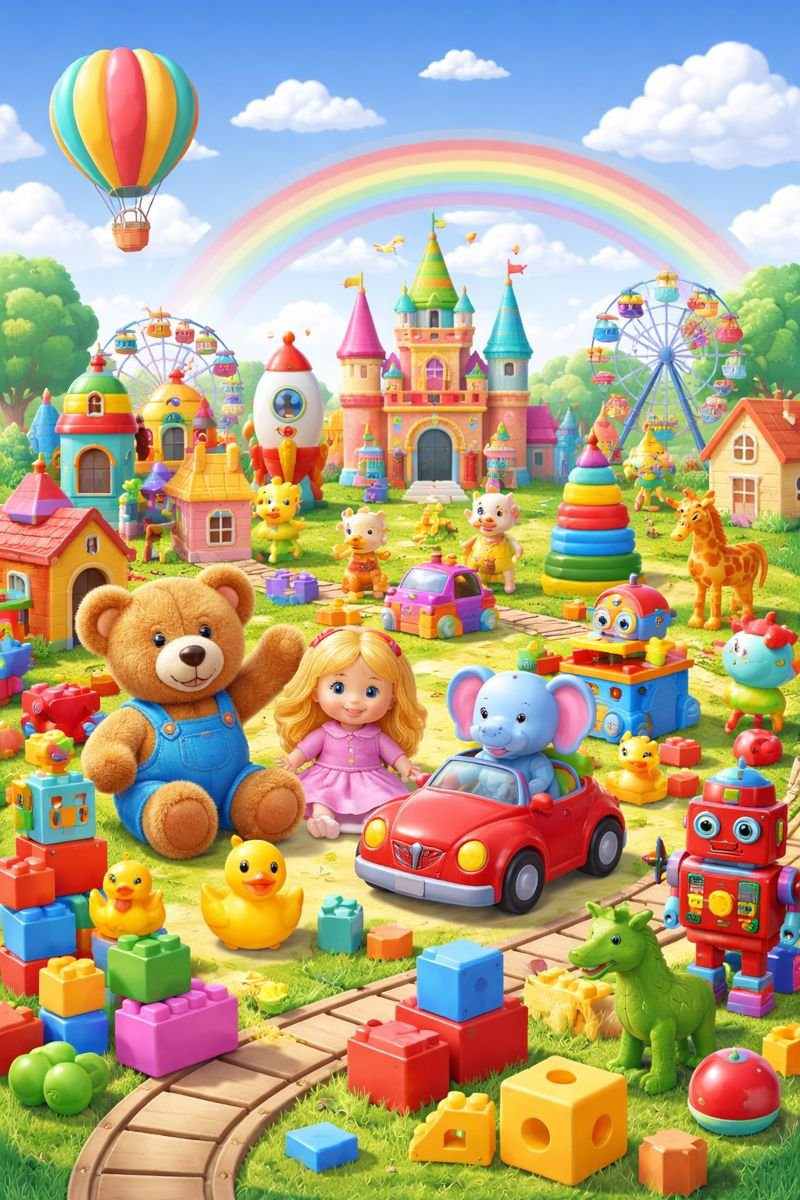
What Is Toy World? Toy World is a joyful and imaginative space where toys become tools for fun, learning, and creativity. It represents a complete universe of playthings designed to entertain children while supporting their mental, emotional, and physical development. From simple traditional toys to modern educational and interactive products, Toy World brings happiness to every stage of childhood.
When people ask, What Is Toy World?, the answer goes beyond just toys. Toy World is about experiences, imagination, and discovery. Playing with toys allows children to explore new ideas, express emotions, and develop important life skills such as problem-solving, coordination, and communication. Every toy in the Toy World has a purpose—making learning enjoyable and natural.
In today’s modern age, What Is Toy World? also means innovation and smart play. Educational toys, creative kits, puzzles, and digital-friendly toys are carefully designed to match a child’s growing needs. These toys help boost creativity, improve focus, and encourage independent thinking while keeping playtime fun and engaging.
This blog is created to clearly explain What Is Toy World? and why it plays an important role in a child’s life. Here, you will discover the value of toys, how they support healthy development, and how the right toys can create positive and memorable childhood experiences.
In simple words, What Is Toy World? It is a world filled with joy, imagination, learning, and endless fun—where every toy helps shape a brighter and happier future for children.
Introduction – How to Choose the Right Toy
ntroduction – How to Choose the Right Toy is an important topic for every parent, guardian, and gift buyer. Choosing the right toy is not just about picking something colorful or popular; it is about selecting a toy that matches a child’s age, interests, and learning needs. The right toy can support a child’s growth, creativity, and happiness during playtime.
In Introduction – How to Choose the Right Toy, the first thing to consider is the child’s age and development level. Age-appropriate toys help children play safely while also improving their skills. Toys designed for specific age groups encourage better learning, problem-solving, and imagination without causing frustration or risk.
Another key point in Introduction – How to Choose the Right Toy is safety. A good toy should be made from safe, non-toxic materials and have smooth edges. Parents should always check safety labels and quality standards before buying a toy. Safe toys allow children to explore freely while giving parents peace of mind.
Interest and creativity also play a big role in Introduction – How to Choose the Right Toy. Every child is different, and choosing a toy that matches their curiosity makes playtime more enjoyable. Whether a child loves building, drawing, storytelling, or puzzles, the right toy can boost confidence and encourage independent thinking.
Lastly, Introduction – How to Choose the Right Toy highlights the importance of learning through play. Educational toys help children develop cognitive, social, and motor skills while still having fun. The right toy should balance enjoyment and learning, making playtime both meaningful and exciting.
Overall, Introduction – How to Choose the Right Toy helps parents make smart and thoughtful choices. By focusing on age, safety, interest, and learning value, choosing the right toy becomes easier and more rewarding for both children and parents.
What Is Toy World?
What Is Toy World? Toy World is a creative and joyful space where toys are designed to bring happiness, learning, and imagination together. It is not just about selling or collecting toys; it is about creating meaningful play experiences that help children grow emotionally, mentally, and physically. Toy World includes everything from classic toys and puzzles to modern educational and interactive play tools.
When someone asks, What Is Toy World?, the simple answer is that it is a world made especially for children’s development through play. Toys help children explore their creativity, improve problem-solving skills, and learn how to express themselves. In Toy World, playtime becomes a powerful way to learn important life lessons while having fun.
In today’s modern lifestyle, What Is Toy World? also means safe, educational, and innovative toys that support smart learning. Many toys are now designed to improve focus, coordination, memory, and imagination. These toys encourage curiosity and independent thinking, making learning enjoyable instead of stressful.
Understanding What Is Toy World? helps parents and caregivers choose the right toys for different age groups. The right toys can support early learning, boost confidence, and create joyful childhood memories. Toy World plays an important role in shaping a child’s early years by combining fun with learning.
In simple words, What Is Toy World? It is a colorful world full of joy, creativity, and discovery—where every toy has a purpose, and every moment of play helps build a brighter future for children.
Toy Safety Tips
Introduction – Toy Safety Tips
Introduction – Toy Safety Tips is an essential guide for parents, guardians, and caregivers who want to ensure a safe and happy playtime for children. Toys bring joy and learning, but safety should always come first. Choosing and using toys correctly helps prevent accidents and allows children to enjoy play without risk.
In Introduction – Toy Safety Tips, the most important step is selecting age-appropriate toys. Toys designed for the right age group reduce the chances of choking, injuries, or misuse. Always check the age label on toy packaging to make sure it matches the child’s development level and abilities.
Another key part of Introduction – Toy Safety Tips is checking the quality and materials of toys. Safe toys are made from non-toxic, child-friendly materials and have smooth edges without sharp parts. Parents should regularly inspect toys for broken pieces, loose parts, or damage that could cause harm.
Supervision also plays a major role in Introduction – Toy Safety Tips. Young children should always be watched while playing, especially when using new or complex toys. Teaching children how to use toys properly helps them understand safety rules from an early age.
Lastly, Introduction – Toy Safety Tips highlights the importance of proper storage and maintenance. Keeping toys clean and stored in the right place reduces the risk of accidents and keeps play areas organized. Clean toys also protect children from germs and infections.
Overall, Introduction – Toy Safety Tips helps create a secure play environment where children can explore, learn, and have fun safely. By following simple safety practices, parents can ensure that every playtime is enjoyable, worry-free, and full of happy moments.
Why Toys Are Important for Children
Introduction: Why Toys Are Important for Children
Toys are not just objects for fun; they play a powerful role in shaping a child’s growth and development. From infancy to early childhood, toys help children learn about the world around them in a natural and enjoyable way. Understanding why toys are important for children helps parents choose the right toys that support learning, creativity, and emotional well-being while keeping playtime meaningful.
Toys Help in Brain Development
One of the main reasons why toys are important for children is their impact on brain development. Toys like puzzles, building blocks, and sorting games encourage children to think, solve problems, and improve memory. When children play, their brains actively process information, helping them develop logical thinking and decision-making skills from an early age.
Toys Improve Creativity and Imagination
Creative play is another key reason why toys are important for children. Toys such as dolls, action figures, toy kitchens, and art supplies allow children to create stories and imagine different roles. This type of imaginative play helps children express emotions, develop storytelling skills, and think outside the box, which is essential for long-term creativity.
